| Duomo di Monreale L’edificio normanno più importante del mondo. E probabilmente la cattedrale più bella d’Italia. (Foto: Wikipedia) |
Monreale Cathedral The most important Norman building in the world. And arguably the most beautiful cathedral in Italy. (Photo: Wikipedia) |
Diario dell’Esperienza Italoamericana
A Journal of the Italian-American Experience
Visualizzazione post con etichetta Sicilian culture. Mostra tutti i post
domenica 9 aprile 2023
Foto della settimana / Photo of the week
domenica 29 maggio 2022
Pasta 'ncasciata: pasta al forno alla Siciliana / Sicilian baked pasta
![]() |
| Foto per gentile concessione di Salvatore Candia. Photo courtesy of Salvatore Candia. |
| [N]el frigorifero non c’era niente, nel forno troneggiava una teglia con quattro enormi porzioni di pasta ’ncasciata, piatto degno dell’Olimpo[.] [Montalbano] se ne mangiò due porzioni, rimise la teglia nel forno, puntò la sveglia, [e] dormì piombigno per un’ora[.] Camilleri, Il cane di terracotta (1996) Lo scorso settembre vi ho presentato un piatto che “mi ha portato alla distrazione,” i fenomenali ”Spaghetti ’ncastagnati”, la “pasta fritta” che per generazioni è stata l’amata cena domenicale. Lo stesso chef siciliano che ha preparato questo delizioso piatto, sig. Salvatore Candia, mi ha “distratto” ancora una volta ieri. La sua stupenda “Pasta ’ncasciata” è la risposta siciliana alla pasta al forno. È uno dei grandi piatti siciliani, con tanti ingredienti spiccatamente siciliani: gli anelletti, le melanzane e la superficie di pangrattato (il “formaggio dei poveri” che abbellisce tanti piatti siciliani). Questo piatto unico ricco e saporito, senza dubbio una creazione dei Monzù in epoca borbonica, viene spesso preparato per le feste. Tuttavia, come la “pasta fritta,” è un piatto che si prepara spesso la domenica. Infatti, quando i siciliani vanno al mare la domenica, potrebbero portare con sé questo piatto! (Come avrete intuito, il cibo da picnic nel sud Italia è molto più interessante del nostro qui in America!) Non esiste una ricetta corretta. Ogni chef siciliano aggiunge i suoi tocchi personali. Cercare di trovare “la ricetta autentica” è un esercizio esasperante. Un cuoco messinese insiste che un certo ingrediente sia assolutamente vietato. Un cuoco palermitano insiste che omettere quello stesso ingrediente sia un crimine efferato. E così va. Particolarmente problematica è la questione delle melanzane. Nella Sicilia occidentale la tendenza è quella di utilizzare le grosse melanzane nere, affettate e fritte come nella Parmigiana, e addizionate a strato (alcuni insistono che lo strato superiore debba per forza essere di melanzane, come nel Timballo di melanzane). Nella Sicilia orientale la tendenza è quella di utilizzare le melanzane viola piccole, tagliate a cubetti e fritte (come nella Pasta alla Norma), e mescolate (non a strati) con gli altri ingredienti. Non si può dire che una versione sia “più siciliana” dell’altra. È semplicemente una vostra scelta personale: stratificare gli ingredienti o mescolarli insieme? Ho scelto il metodo di stratificazione (che è quello che fa il signor Candia). Quella che segue è la ricetta mia, basata sull’aver letto molte altre ricette (ciascuna autentica, ciascuna “corretta”). Ingredienti
Stratificate gli ingredienti (lo strato inferiore deve essere il ragù, lo strato superiore deve essere il pangrattato). Fate cuocere in forno fino a quando l’interno bollirà e la superficie superiore sarà ben dorata. |
[T]here was nothing in the refrigerator, in the oven there was a pan with four huge portions of pasta ’ncasciata, a dish worthy of Olympus[.] [Montalbano] ate two portions, put the pan back in the oven, set the alarm clock, [and] slept like a log for an hour[.] Camilleri, The terracotta dog (1996) Last September, I presented to you a dish that "drove me to distraction," the phenomenal "Spaghetti ’ncastagnati," the "fried pasta" that for generations was the beloved Sunday-evening cena. The same Sicilian chef who prepared this delectable dish, Mr. Salvatore Candia, "distracted" me once again yesterday. His stupendous Pasta ’ncasciata is Sicily’s answer to baked pasta. It is one of the great Sicilian dishes, with so many distinctly Sicilian ingredients: the anelletti (Sicilian pasta rings), the eggplant, and the topping of breadcrumbs (the "poor man’s cheese" that graces so many Sicilian dishes). This rich and flavorful one-course meal, undoubtedly a creation of the Monzù during the Bourbonic era (pre-Garibaldi), is often prepared for holidays. However, like the "fried pasta," it is a dish that is often made on Sundays. In fact, when Sicilians go to the beach on Sundays, they might bring this dish with them! (As you may have surmised, the picnic food in Southern Italy is much more interesting than ours here in America!) There is no one correct recipe. Every Sicilian chef adds his or her own personal touches. Trying to find "the authentic recipe" is an infuriating exercise. A cook from Messina insists that a certain ingredient is absolutely forbidden. A cook from Palermo insists that omitting that same ingredient is a heinous crime. And so it goes. Particularly problematic is the question of the eggplant. In western Sicily, the tendency is to use large black eggplants, sliced and fried as if making Eggplant parmigiana, and added as a layer (some insisting that the top layer must be eggplant, as in Timballo di melanzane). In eastern Sicily, the tendency is to use the small purple eggplants, cut in cubes and fried (as if making Pasta alla Norma), and mixed (not layered) with the other ingredients. One cannot say that one version is "more Sicilian" than the other. It is simply your personal choice: do you layer the ingredients, or do you mix them together? I have chosen the layering method (which is what Mr. Candia does). The following is my own recipe, based on having read many other recipes (each authentic, each "correct"). Ingredients
Layer the ingredients (the bottom layer must be sauce; the top layer must be the breadcrumbs). Bake in the oven until the inside is bubbling and the top surface is nicely browned. |
domenica 22 agosto 2021
Sant'Agrippina di Mineo & Andrea Amici
| È difficile descrivere una festa italiana agli americani, anche agli italoamericani. In Italia ogni piccolo comune ha il suo patrono. Ogni anno, nel giorno della festa di quel santo, l’intero comune diventa un’unica grande festa, un unico grande banchetto familiare. Non ve la posso descrivere; semplicemente non abbiamo equivalenti. In una grande città statunitense come Boston non può esserci una sola festa, perché ci sono italoamericani di tanti paesi diversi, da Roma a Trapani e ovunque nel mezzo. Raramente, infatti, le feste si svolgono nel giorno della festa del santo. Ad esempio, a Boston la Festa di Sant’Agrippina di Mineo è sempre il primo weekend di agosto, non il 23 agosto. Per caso, il mio carissimo amico, il meraviglioso compositore Andrea Amici, si trovava ieri a Mineo, pochi giorni prima della festa di Sant’Agrippina. Immagina il mio stupore quando ieri lui mi ha inviato una foto di se stesso, a Mineo, davanti alla Chiesa di Sant’Agrippina! Me l’ha mandato perché si ricordava che mia nonna materna era di quel comune. Quello che lui non sapeva era che quella chiesa era la parrocchia dei miei antenati! È la chiesa dove mia bisnonna, Emanuela Spitalieri, fu battezzata nel 1888 e sposata nel 1906. Ma perché Andrea era lì, in quella chiesa? Il Lydian Ensemble ha eseguito due sue composizioni originali, Belliniana e Mine Eyes unto the Hills, più vari suoi arrangiamenti di musiche di Ennio Morricone e Astor Piazzolla. Tutto questo, in un concerto ieri sera, in QUELLA chiesa! Per gli immigrati mineoli, come mia nonna, la festa di Sant’Agrippina a Boston era un evento annuale bene amato. Io da bambino, crescendo, sentivo spesso pronunciare il nome di Sant’Agrippina. (Come nota a margine, a Mineo i nomi dati "Agrippino" e "Agrippina" erano comuni quanto "Giovanni" e "Maria"!) Condivido con voi la composizione di Andrea Amici, "Belliniani", che i miei avi connazionali hanno avuto il piacere di ascoltare ieri sera. |
It’s difficult to describe an Italian feast to Americans – even to Italian-Americans. In Italy, every small town has its patron saint. Every year, on the feast day of that saint, the entire town becomes one big party, one big family banquet. I cannot describe it to you; we simply have no equivalent.
In a big American city like Boston, there cannot be only one feast, because there are Italian-Americans from so many different towns, from Rome to Trapani and everywhere in between. In fact, the feasts rarely take place on the actual feast day of the saint. For instance, in Boston the Feast of St. Agrippina of Mineo is always the first weekend in August, not August 23. By chance, my dear friend, the wonderful composer Andrea Amici, found himself in Mineo yesterday, a few days before St. Agrippina’s Feast. Imagine my astonishment when yesterday he sent me a photo of himself, in Mineo, standing in front of the Church of Sant’Agrippina! He sent it to me because he remembered that my maternal grandmother was from that town. What he did not know was that that church was my ancestors’ parish! It is where my great-grandmother, Emanuela Spitalieri, was baptized in 1888 and married in 1906. And why was Andrea there, in that church? The Lydian Ensemble performed two of his original compositions, Belliniana and Mine Eyes unto the Hills, plus various of his arrangements of music by Ennio Morricone and Astor Piazzolla. All this, in a concert last night, in THAT church! For the Mineo immigrants, like my grandmother, St. Agrippina’s Feast in Boston was a beloved annual event. As a child growing up, I heard St. Agrippina’s name mentioned often. (As a side note, in Mineo the given names "Agrippino" and "Agrippina" were as common as "John" and "Mary"!) I share with you Andrea Amici’s composition, "Belliniani," which my ancestral compatriots had the pleasure of hearing last night. |
![]() |
| Photo: Andrea Amici (21 August 2021) |
![]() |
| Andrea Amici, davanti alla Chiesa di Sant’Agrippina di Mineo (21 August 2021) |
![]() |
| Photo: Andrea Amici (21 August 2021) |
mercoledì 17 luglio 2019
Andrea Camilleri RIP
| Piangiamo profondamente la morte del grandissimo scrittore siciliano, Andrea Camilleri. Veramente uno dei giganti del nostro tempo. Era una dei personaggi più “citabili”; l’Internet è pieno delle sue citazioni memorabili. Comunque la citazione che mi parla più forte è questa: Quando fu fatta l’unità d’Italia noi in Sicilia avevamo 8000 telai, producevamo stoffa. Nel giro di due anni non avevamo più un telaio. Funzionavano solo quelli di Biella. E noi importavamo la stoffa. E ancora oggi è così. (Del seguente tributo non posso dirvi l’autore originale; è apparso su tanti notiziari pagine web.) 17 luglio 2019 È morto Andrea Camilleri. Lo scrittore aveva 93 anni e si è spento stmattina alle 8,20 all'ospedale Santo Spirito di Roma dove era ricoverato dal 17 giugno in seguito a un arresto cardiaco. Per volontà dello scrittore e della sua famiglia non ci sarà camera ardente e il funerale si svolgerà domani in forma privatissima. Solo dopo la sepoltura - a quanto si apprende - sarà reso noto il luogo in cui riposeranno le spoglie dell'autore, in modo da rendere possibile la visita ai tanti che lo hanno amato. "Se potessi, vorrei finire la mia carriera seduto in una piazza a raccontare storie e alla fine del mio conto passare tra il pubblico con la coppola in mano". Così rispondeva Andrea Camilleri a chi gli chiedeva come mai a 93 anni non si fosse ancora deciso ad andare in pensione, come mai nonostante gli occhi che da tempo si erano spenti, continuasse a impastare realtà e fantasia in quella sua lingua eccezionale, il vigatese, che non aveva alcun corrispettivo nella realtà ma che finiva per essere più concreta che mai. Non si può smettere di fare ciò per cui si è nati. E il Maestro siciliano, morto stamattina a Roma, era nato per raccontare storie. Lo faceva a dispetto degli anni e della malattia, lasciandosi guidare sulla pagina bianca dalla sua fedele assistente, Valentina Alferj, depositaria della lingua e dei segreti di Montalbano. Lo faceva salendo sul palcoscenico del Teatro Greco di Siracusa per impersonare Tiresia, l'indovino tebano cieco che compare già nell'Odissea per indicare a Ulisse la via del ritorno. Un personaggio scelto per affinità elettive, cieco eppure in grado di fare luce con le proprie parole. Lo faceva anche in questi ultimi giorni, mentre preparava il suo debutto alle antiche Terme di Caracalla, con lo spettacolo Autodifesa di Caino. E lo faceva, soprattutto, dando corpi e misteri in pasto a Salvo Montalbano, il personaggio che ha accompagnato i suoi ultimi 25 anni di vita. Era il '94 quando Sellerio portava in libreria La Forma dell'Acqua, primo romanzo della serie incentrata sulle indagini del commissario siciliano. Romanzo dopo romanzo, ne sono usciti trenta, Montalbano - di cui Camilleri parlerà sempre come se fosse vero e vivente, quasi un suo alter ego - ebbe così tanto successo da spingere nel territorio del giallo anche chi, prima di lui, non aveva alcuna dimestichezza con il genere. Ospite fisse del vertice delle classifiche librarie, deve il suo nome allo scrittore spagnolo Manuel Vazquez Montalban che di Camilleri fu grande amico e la sua longevità a Elvira Sellerio: avrebbe dovuto terminare la sua carriera con il secondo romanzo, Il cane di terracotta, ma l'editrice richiamò lo scrittore per chiedergli quando sarebbe arrivato il terzo libro. Lui rispose mai, lei oppose il resoconto delle vendite. Fortunatamente per i lettori, l'ebbe vinta Sellerio e Camilleri continuò a scrivere. Conservò intatta la sua passione per le indagini mnemoniche, ma cambiò le carte in tavola, introducendo nuovi personaggi e iniziando a sporcare le storie con la realtà: il G8 di Genova, l'immigrazione, la corruzione sugli appalti pubblici... Ben poche miserie umane e italiane sono rimaste estranee alle indagini di Montalbano così come, un romanzo dopo l'altro fino a Il cuoco dell'Alcyon, uscito il 30 maggio e già in testa alle classifiche, si fece strada la paura della vecchiaia. Il commissario, appena cinquantenne, iniziò a interrogarsi sul mondo che lo circondava: era ancora in grado di comprenderlo? E fino a quando? Dubbi che Camilleri ha condiviso con il suo personaggio, in una dialettica tra vita letteraria e reale che ha pochi uguali nella storia del giallo. Camilleri si interrogava sull'Italia e rispondeva senza sottrarsi ai temi politici più scottanti. Recentemente aveva criticato Matteo Salvini per il suo comizio con il rosario, sollevando uno scandalo tra quanti vorrebbero che uno scrittore si limitasse ai suoi romanzi, ma confermando quello che i suoi lettori sanno da sempre: il maestro scriveva e diceva solo ciò che pensava. A testimoniarlo nella sua lunga bibliografia, anche un bellissimo libro-confessione affidato a Saverio Lodato - La linea della Palma - in cui si abbandonava ai ricordi di una vita, dalla Sicilia durante il regime fascista alla Liberazione, dall'impegno come militante del Pci all'opposizione morale a Silvio Berlusconi, dalla mafia - che ammetteva di tenere ai margini dei gialli per non eleggerla ad arte - ai problemi della giustizia. Parlava anche dei suoi difficili esordi come uomo di spettacolo: prima aiuto-regista di Orazio Costa dopo un turbolento apprendistato all'Accademia d' arte drammatica a Roma, e in seguito regista in proprio, oltre che per trent'anni funzionario Rai addetto alla prosa radiofonica e produttore in televisione di pièces teatrali. Quando parlava della sua vecchiaia, pur sottolineando le difficoltà di un corpo che non rispondeva più alla velocità della mente, non si lasciava mai andare a rimpianti o paure. Appariva sereno, la voce arrocchita dalle migliaia di sigarette fumate, i ricordi dell'infanzia nitidi davanti agli occhi. La chiamava presbiopia della memoria, diceva che con la vecchiaia l'infanzia precipitava addosso. Ricordava la grande casa dei nonni a Porto Empedocle, la solitudine di un bambino che cresceva coltivando un talento da affabulatore, il gusto per il dettaglio, l'attenzione al particolare. Caratteristiche che da adulto porterà nella sua professione - sceneggiatore, regista e drammaturgo, ben prima che giallista. La sua carriera da scrittore iniziò infatti in sordina, con la pubblicazione de ll corso delle cose nel 1978 e continuò in tutti questi anni alternando ai romanzi storici, tra cui il formidabile Birraio di Preston, i gialli di Montalbano. Continuerà anche domani: c'è un altro Montalbano in attesa di essere pubblicato. Andrea Camilleri lo scrisse anni fa e lo consegnò a Sellerio perché lo conservasse in cassaforte con l'obbligo di pubblicarlo solo dopo la sua morte. L'uscita di scena del commissario, il suo addio definitivo alla vita letteraria, non avverrà con un colpo di pistola e neppure davanti all'altare, con buona pace di chi aspetta da un quarto di secolo che convoli a nozze con Livia. Montalbano ci lascerà nel momento in cui comincerà a pensare al suo doppio, cioè a Luca Zingaretti l'attore che in vent'anni ha portato le sue indagini davanti a più di un miliardo di spettatori. Come questo avverrà è tutto da leggere. Nell'attesa non ci resta che ringraziare Camilleri per il suo ultimo colpo di teatro, il regalo di un uomo che ha sempre vissuto come voleva, circondato dalle parole. E che se ne è andato così come sognava: raccontandoci storie. |
We deeply mourn the death of the great Sicilian writer, Andrea Camilleri. Truly one of the giants of our time. He was one of the most "quotable" personalities; the Internet is filled with his memorable quotations. However the one quote that speaks to me most strongly is this one: When Italy was unified, we in Sicily had 8000 looms, we produced cloth. Within two years we no longer had a loom. Only those in Biella worked. And we imported the fabric. And it still is that way today. (I cannot tell you the original author of the following tribute; it appeared on many news outlets and web pages.) July 17, 2019 Andrea Camilleri has died. The writer was 93 years old and died at 8:20 am at the Santo Spirito hospital in Rome where he was hospitalized from June 17 following a heart attack. By the will of the writer and his family there will be no wake and the funeral will take place tomorrow in a very private form. Only after the burial - according to what has been learned - will the location of the author's final resting place be revealed, so as to make it possible for the many who loved him to visit. "If I could, I would like to end my career sitting in the piazza, telling stories, and at the end of my stories, pass through the audience with my coppola [traditional Sicilian beret] in my hand." Thus replied Andrea Camilleri to those who asked him how, at 93, he had not yet decided to retire, despite the eyes that had long been extinguished [he was blind], he continued to knead reality and fantasy in his exceptional language, "Vigatese" [the language of the imaginary town in his books, Vigata], which did not exist in reality but ended up being more concrete than ever. You can't stop doing what you were born for. And the Sicilian Maestro, who died this morning in Rome, was born to tell stories. He did it in spite of years and illness, letting himself be guided on the blank page by his faithful assistant, Valentina Alferj, custodian of the language and secrets of Montalbano. He did this by climbing on the stage of the Greek Theater of Syracuse to impersonate Tiresia, the blind Theban soothsayer who appears already in the Odyssey to show Ulysses the way back. A character chosen intentionally for his affinities with the author: blind, yet able to shed light with his own words. He did so also in these last days, while he was preparing his debut at the ancient Baths of Caracalla, with the show Autodifesa di Caino [Self-defense of Cain]. And he did it, above all, feeding bodies and mysteries to Salvo Montalbano, the character who accompanied his last 25 years of life. It was in '94 when Sellerio brought La Forma dell'Acqua to the bookshop, the first novel in the series focused on the investigations of the Sicilian commissioner. Novel after novel, thirty came out, Montalbano - of whom Camilleri always spoke as if he were real and alive, almost his alter ego - had so much success as to push other authors into crime fiction territory, though they had no prior familiarity with the genre. A regular fixture at the top of best seller lists, the character owes its name to the Spanish writer Manuel Vazquez Montalban, who was a great friend of Camilleri, and its longevity to [book publisher] Elvira Sellerio: he should have ended his career with the second novel, The terracotta dog, but the publisher called the writer to ask him when the third book would come. He never replied. She showed him the sales report. Fortunately for the readers, Sellerio won and Camilleri continued to write. He kept his passion for mnemonic investigations intact, but he changed the game, introducing new characters and starting to litter the stories with reality: the G8 in Genoa, immigration, corruption on public procurement ... Very few human miseries, and Italian miseries, have escaped Montalbano's investigations, one novel after another, until The cook of the Alcyon, released on May 30 and already at the top of the charts, when the fear of old age took hold. The commissioner, just fifty years old, began to wonder about the world around him: was he still able to understand it? And for how much longer? Doubts that Camilleri shared with his character, in a dialectic between literary and real life that has few equals in the history of mystery. Camilleri was concerned about Italy, and responded to those concerns without escaping the hottest political issues. He had recently criticized Matteo Salvini for his rosary speech, creating a scandal for those who wished that authors would just stick to novel writing, but confirming what his readers have always known: the master wrote and said only what he thought. To witness it in his long bibliography, also a beautiful confession-book entrusted to Saverio Lodato - La linea della Palma [The palm line] - in which he abandoned himself to a lifetime of memories, from Sicily during the fascist regime to the Liberation, from the commitment as a militant of the Communist Party to the moral opposition to Silvio Berlusconi, from the mafia - which he admitted to keeping on the fringes of the crime novels in order not to glorify it in art - to the problems of justice. He also spoke of his difficult beginnings as a man of the theater: first assistant director of Orazio Costa after a turbulent apprenticeship at the Academy of Dramatic Art in Rome, and later as a director on his own, as well as for thirty years a RAI official in charge of radio prose programs and a television producer of theater plays. When he spoke of his old age, while stressing the difficulties of a body that no longer responded to the speed of the mind, he never let himself descend into regret or fear. He looked serene, his voice muffled by the thousands of cigarettes smoked, his childhood memories sharp before his eyes. He called it presbiopia della memoria ("farsightedness of the memory") he said that with old age his childhood fell upon him. He remembered his grandparents' big house in Porto Empedocle, the solitude of a growing child cultivating a storyteller's talent, a taste for specifics, attention to detail. Features that as an adult he will bring to his profession - screenwriter, director and playwright, well before being a crime writer. His career as a writer began in fact quietly, with the publication of Il corso delle cose (The course of things) in 1978 and continued throughout these years alternating with historical novels, including the formidable Birraio di Preston, the mysteries of Montalbano. It will also continue tomorrow: there is another Montalbano waiting to be published. Andrea Camilleri wrote it years ago and handed it to Sellerio to keep it in a safe on the condition of publishing it only after his death. The departure of the commissioner, his final farewell to the literary life, will not take place with a pistol shot, or in front of the altar, with all due respect to those who have been waiting for a quarter of a century for him to marry Livia. Montalbano will leave us when he starts thinking about his double, that is Luca Zingaretti, the actor who in twenty years has brought his investigations to more than a billion spectators. How this will happen is yet to be read. In the meantime, we just have to thank Camilleri for his last hit of the theater, the gift of a man who has always lived as he wanted, surrounded by words. And that he left us exactly as he dreamed of leaving us: telling stories. |
lunedì 24 giugno 2019
Antonio Veneziano
![]() |
| Amazon.com |
| Denominato il “Petrarca di Sicilia,” Antonio Veneziano nacque nel 1543, probabilmente il 6 gennaio. (Fu battezzato il 7 gennaio.) Nacque a Monreale, città che vanta il Duomo più bello del mondo. Morì a Palermo il 19 agosto 1593, all’età di cinquanta. Un poeta importante, Veneziano scrisse prevalentemente nel dialetto siciliano. Si dice che fosse un “personaggio colorito,” ma magari il padre era anche più colorito, noto per “una vita sentimentale movimentata, con tre matrimoni e due figlie naturali, oltre ai nove legittimi.” Il seguente poemetto proviene dal suo più grande lavoro, Celia, scritto mentre Veneziano fu imprigionato in Algeria. (Vi ho detto che fosse un personaggio colorito!) |
Called "The Petrarch of Sicily," Antonio Veneziano was born in 1543, probably on January 6. (He was baptized on January 7.) He was born in Monreale, the city that boasts the most beautiful cathedral in the world. He died in Palermo on August 19, 1593, at age 50. An important poet, Veneziano wrote primarily in the Sicilian dialect. It is said that he was a "colorful personality," but perhaps his father was even more colorful, noted for "a lively love life, with three marriages and two legitimate children – besides his nine illegitimate ones." The following poem comes from his greatest work, Celia, written while Veneziano was imprisoned in Algeria. (I told you that he was a colorful personality!) |
(Siciliano originale)
«Non è xhiamma ordinaria, no, la mia
è xhiamma chi sul’iu tegnu e rizettu,
xhiamma pura e celesti, ch’ardi 'n mia;
per gran misteriu e cu stupendu effettu.
Amuri, ’ntentu a fari idulatria,
s’ha novamenti sazerdoti elettu;
tu, sculpita ’ntra st’alma, sì la dia;
sacrifiziu lu cori, ara stu pettu.»
«Non è xhiamma ordinaria, no, la mia
è xhiamma chi sul’iu tegnu e rizettu,
xhiamma pura e celesti, ch’ardi 'n mia;
per gran misteriu e cu stupendu effettu.
Amuri, ’ntentu a fari idulatria,
s’ha novamenti sazerdoti elettu;
tu, sculpita ’ntra st’alma, sì la dia;
sacrifiziu lu cori, ara stu pettu.»
(Traduzione italiana)
«Non è fiamma ordinaria, no, la mia
è fiamma che sol’io tengo e controllo,
fiamma pura e celeste che arde in me;
per gran mistero e con stupendo effetto.
Amore, intento a fare idolatria,
s’è nuovamente eletto sacerdote;
tu, scolpita dentro quest’anima, sei la dea;
sacrificio il cuore, altare questo petto.»
«Non è fiamma ordinaria, no, la mia
è fiamma che sol’io tengo e controllo,
fiamma pura e celeste che arde in me;
per gran mistero e con stupendo effetto.
Amore, intento a fare idolatria,
s’è nuovamente eletto sacerdote;
tu, scolpita dentro quest’anima, sei la dea;
sacrificio il cuore, altare questo petto.»
(English translation by Leonardo Ciampa)
No, mine is no ordinary flame
it's a flame that only I possess and control,
a pure celestial flame that burns in me;
by a great mystery and with stupendous effect.
Love, intent on worshiping idols,
has once again become a high priest;
you, sculpted in this soul, are the goddess;
my heart is the sacrifice, my breast is the altar.
No, mine is no ordinary flame
it's a flame that only I possess and control,
a pure celestial flame that burns in me;
by a great mystery and with stupendous effect.
Love, intent on worshiping idols,
has once again become a high priest;
you, sculpted in this soul, are the goddess;
my heart is the sacrifice, my breast is the altar.
giovedì 3 novembre 2016
Buon 215o compleanno, Vincenzo Bellini!!!
![]() |
| La tomba di Bellini, Duomo di Catania. Foto: Giampiero Bielli (panoramio.com) Bellini's tomb, Catania Cathedral. Photo: Giampiero Bielli (panoramio.com) |
| E quale modo migliore di celebrarlo che ascoltare la leggendaria Virginia Zeani, che c’interpreta l’aria immortale da La Sonnambula, “Ah! non credea mirarti.” | And what better way to celebrate it than to listen to the legendary Virginia Zeani, who sings for us the immortal aria from La Sonnambula, "Ah! non credea mirarti." |
martedì 4 ottobre 2016
25 immagini della Sicilia / 25 images of Sicily
| La Sicilia è il luogo più interessante del mondo, e il luogo più frainteso del mondo, perfino dagli italiani. Specialmente dagli italiani. Nel XII secolo a.C. la Sicilia era già abitata, anche prima dei tre tribù: i sicani, i siculi (da cui il nome Sicilia) e gli elimi. Poi i fenici e i cartaginesi colonizzarono l’isola, ma figuratevi che questo fu secoli prima dell’arrivo dei greci. Poi vennero i greci, e la Sicilia diventò un campo di battaglia delle Guerre Puniche. Alla fine i romani conquistarono l’isola. Poi i vandali. Poi gli ostrogoti. Poi i bizantini. Poi gli arabi. Poi i normanni. Poi i francesi, poi gli spagnoli, poi gli austriaci, poi i francesi una seconda volta. Solo nel 1861 venne Garibaldi per “unificare” l’Italia. Un secolo e mezzo più tardi, è mica “unificata” l’Italia. È unificata sulla mappa, non nel cuore. E se ci fosse la diffidenza dagli italiani verso i siciliani, questa diffidenza fu pienamente confermata dall’uscita dei film Il Padrino – i film più spudoratamente pregiudizievoli della storia cinematografica. Grazie alle conquiste ripetute, la Sicilia diventò la regione più culturalmente ricca del mondo. E grazie al suo isolamento dal continente, questa ricca cultura rimane oggi brillantemente intatta. Gli edifici normanni più grandi del mondo. Gli anfiteatri più grandiosi del mondo. Fra i templi greci meglio conservati del mondo. Fra le spiagge più mozzafiato del mondo. Cose completamente ignote dai turisti che vengono per vedere la Torre Pendente di Pisa, il David, il Vaticano, fanno un giro in gondola, e partono, senza capire manco un cavolo dell’Italia, e senza nemmeno sapere dell’esistenza della leggendaria isola della Sicilia. Mi sono domandato se sarebbe possibile compilare 25 immagini – sole 25 – per dare un suggerimento, un indizio, dello splendore siciliano. Purtroppo è solo un piccolissimo gusto. Ma credo creerà in voi una curiosità per questo paradiso della cultura umana. | Sicily is the most interesting place in the world, and the most misunderstood place in the world, even by Italians. Especially by Italians. In the 12th century B.C. Sicily was already inhabited, even before the three tribes: the Sicani, the Siculi (hence the name Sicily), and the Elymians. Then the Phoenicians and the Carthaginians colonized the island, but imagine that this was centuries before the Greeks arrived. Then the Greeks came, and Sicily became a battleground for the Punic Wars. Eventually the Romans conquered the island. Then the Vandals. Then the Ostrogoths. Then the Byzantines. Then the Arabs. Then the Normans. Then the French, then the Spanish, then the Austrians, then the French a second time. Only in 1861 did Garibaldi "unify" Italy. A century and a half later, Italy is hardly "unified." It is unified on the map, not in anyone's heart. And if there was suspicion on the part of Italians towards the Sicilians, that suspicion was fully confirmed by the release of the Godfather films – the most shamelessly prejudicial movies in cinematic history. Thanks to the repeated conquests, Sicily became the most culturally rich region in the world. And thanks to its isolation from the mainland, this rich culture remains today brilliantly intact. The greatest Norman buildings in the world. The grandest amphitheatres in the world. Some of the best preserved Greek temples in the world. Some of the most breathtaking beaches in the world. Things completely unknown to the tourist who come to see the Leaning Tower of Pisa, David, the Vatican, they take a gondola ride, and they leave, without understanding the slightest thing about Italy, and without even knowing of the existence of the legendary island of Sicily. I wondered if it would be possible to compile 25 images – only 25 – to give a suggestion, a hint, of the splendor of Sicily. Unfortunately it is only a little taste. But I believe that it will create in you a curiosity for this paradise of human culture. |
![]() |
| Agrigento |
| Agrigento |
![]() |
| Cefalù |
| Mt. Etna |
![]() |
| Mondello (Palermo) |
![]() |
| Isola Bella (Taormina) |
![]() |
| Monreale |
![]() |
| Monreale |
| Noto |
![]() |
| Palermo |
| Catania |
![]() |
| Messina |
![]() |
| Agrigento |
![]() |
| Portopalo di Capo Passero (Siracusa) |
![]() |
| Ragusa |
| Roccavaldina (Messina) |
![]() |
| Trapani |
| Siracusa |
![]() |
| Taormina |
![]() |
| Palermo |
![]() |
| Teatro Bellini, Catania |
![]() |
| Il Gattopardo |
![]() |
| Timballo |
![]() |
| La Trinacria, simbolo della Sicilia / symbol of Sicily |
![]() |
| Arance rosse / Blood oranges |
domenica 15 maggio 2016
Buon compleanno, Salvatore Fisichella!

Here the great Sicilian tenor sings "A te, o cara" from "I Puritani" by the composer from Catania, Vincenzo Bellini.
domenica 7 febbraio 2016
Foto della Settimana / Photo of the Week
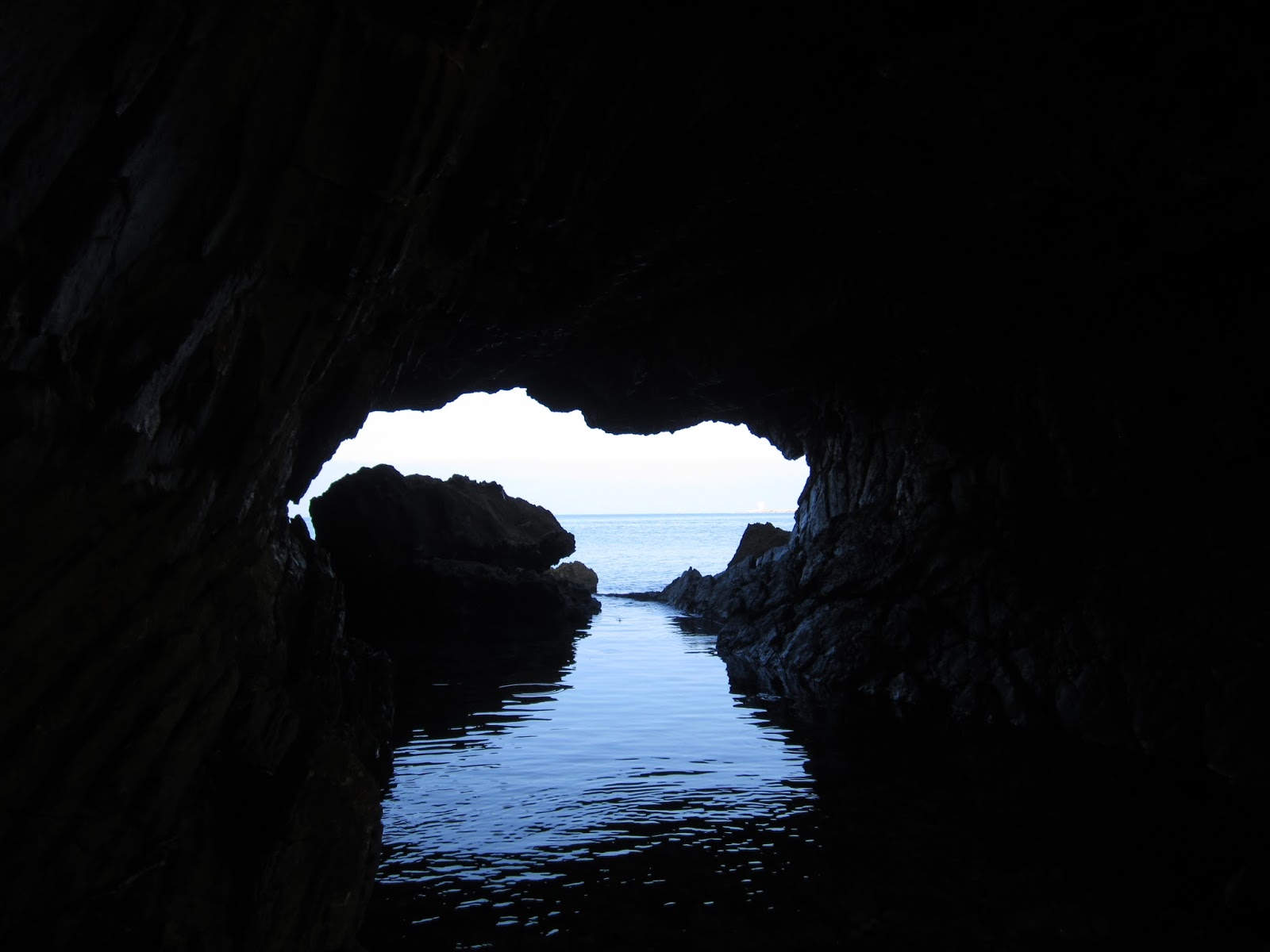
![]() |
| Terrasini (Sicilia), Grotta Perciata Foto © Evelin Costa, per la sua gentile concessione. Photo © Evelin Costa, used with permission. |
Originaria di Palermo, Evelin Costa è l’autrice di due popolarissimi blog, evelinarte.blogspot.com e agavepalermo.com.
A native of Palermo, Evelin Costa is the author of two very popular blogs, evelinarte.blogspot.com and agavepalermo.com.
sabato 20 dicembre 2014
E vui durmiti ancora!
| Foto © www.bandw.it |
My favorite recording by the Sicilian tenor MICHELANGELO VERSO (1920-2006). Click the link below!
E VUI DURMITI ANCORA!
Parole: Giovanni Formisano (1910)
Musica: Gaetano Emanuel Calì (1927)
Interprete: Michelangelo Verso (1952)
Parole: Giovanni Formisano (1910)
Musica: Gaetano Emanuel Calì (1927)
Interprete: Michelangelo Verso (1952)
![]() Lu suli è già spuntatu ni lu mari e vui bidduzza mia durmiti ancora, l’aceddi sunnu stanchi di cantari e affriddateddi aspettanu ccà fora, supra ’ssu balcuneddu su’ pusati e aspettanu quann’è cca v’affacciati Riturnello: Lassati stari, non durmiti chiù, ccà ’mmenzu a iddi dintra a ’sta vanedda ci sugnu puru iù ch’aspettu a vui pi vidiri ’ssa facci accussi bedda passu ccà fora tutti li nuttati e aspettu sulu quannu v’affacciati. |
![]() Il sole è già spuntato in mezzo al mare e voi bellezza mia dormite ancora, gli uccelli sono stanchi di cantare e infreddoliti aspettano qua fuori, sopra questo balconcino sono poggiati e aspettano quand'è che vi affacciate Ritornello: Lasciate stare, non dormite più, che in mezzo a loro in questo vicolo ci sono pure io che aspetto voi per vedere questo volto così bello passo qui fuori tutte le notti e aspetto solo quando vi affacciate. Traduzione italiana del siciliano: Wikipedia | ![]() The sun has already risen over the sea and you, my beautiful one, are still sleeping, the birds are tired of singing. Freezing cold, they wait here outside, perched on this little balcony, waiting for you to show your face. Refrain: Come on, don't sleep anymore! Because amidst them in this little alley I am also there, waiting to see that countenance which is so beautiful. I pass by here every night and I wait for you to show your face. English translation of the Italian: Leonardo Ciampa |
domenica 24 agosto 2014
Ecomuseo. Calatafimi Segesta 23-24 agosto
| Per me, uno dei più grandi piaceri di Facebook è la possibilità di vedere foto dall'altro lato dell'Atlantico, in particolare dall'Italia meridionale.
Ieri, l'utente "Sicilia La Nostra Terra" ha condiviso un album di foto della pagina "Tipicamente - Tradizioni e Sapori." L'album si chiama "Ecomuseo. Calatafimi Segesta 23-24 agosto." Ma queste foto mi hanno folgorato profondamente. Già avrei goduto le raffigurazioni della vita tradizionale siciliana. Ma la qualità della fotografia – l'illuminazione, i colori – è sbalorditiva. L'album mi ha trafitto. Ne condivido con voi alcune delle foto. Il resto dell'album si trova qua. Mi levo il cappello ai fotografi eccezionali: Giovanni De Martinez, Francesco Iovino, e Vito Curatolo. Vorrei aggiungere, come una nota in calce, che Calatafimi condivide un confine con Salemi, il comune di mio nonno materno, Leonardo Antonino Maggio (cui nome mi fu dato). (Per ulteriori informazioni sull'Ecomuseo: turismocultura@comune.calatafimisegesta.tp.it) | For me, one of the greatest pleasures of Facebook is the possibility of seeing photos from the other side of the Atlantic, in particular of Southern Italy. Yesterday, the user "Sicilia La Nostra Terra" shared a photo album of another user, "Tipicamente - Tradizioni e Sapori." The album is called, "Ecomuseo. Calatafimi Segesta 23-24 agosto." These photos struck me like deeply. Already I would have enjoyed the depictions of traditional Sicilian life. But the quality of the photography – the lighting, the colors – is stunning. The album transfixed me. I share with you a few of the photos. The rest of the album can be found here. I tip my hat to the exceptional photographers: Giovanni De Martinez, Francesco Iovino, and Vito Curatolo. I will add, as a footnote, that Calatafimi shares a border with Salemi, the town of my maternal grandfather, Leonardo Antonino Maggio (for whom I was named). (For more information on the Ecomuseo: turismocultura@comune.calatafimisegesta.tp.it) |
Iscriviti a:
Post (Atom)